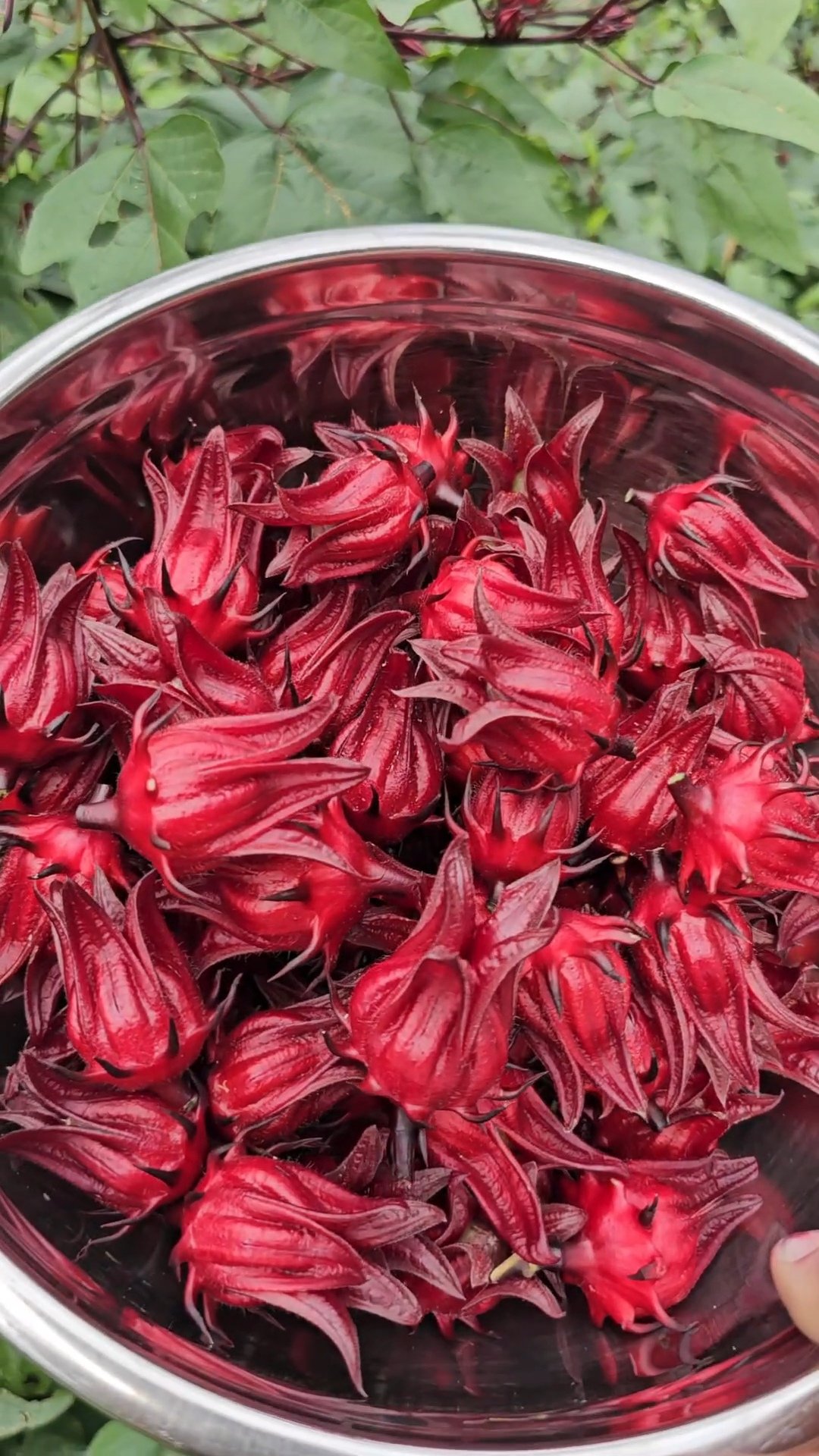
So When DO I Harvest My Roselle?

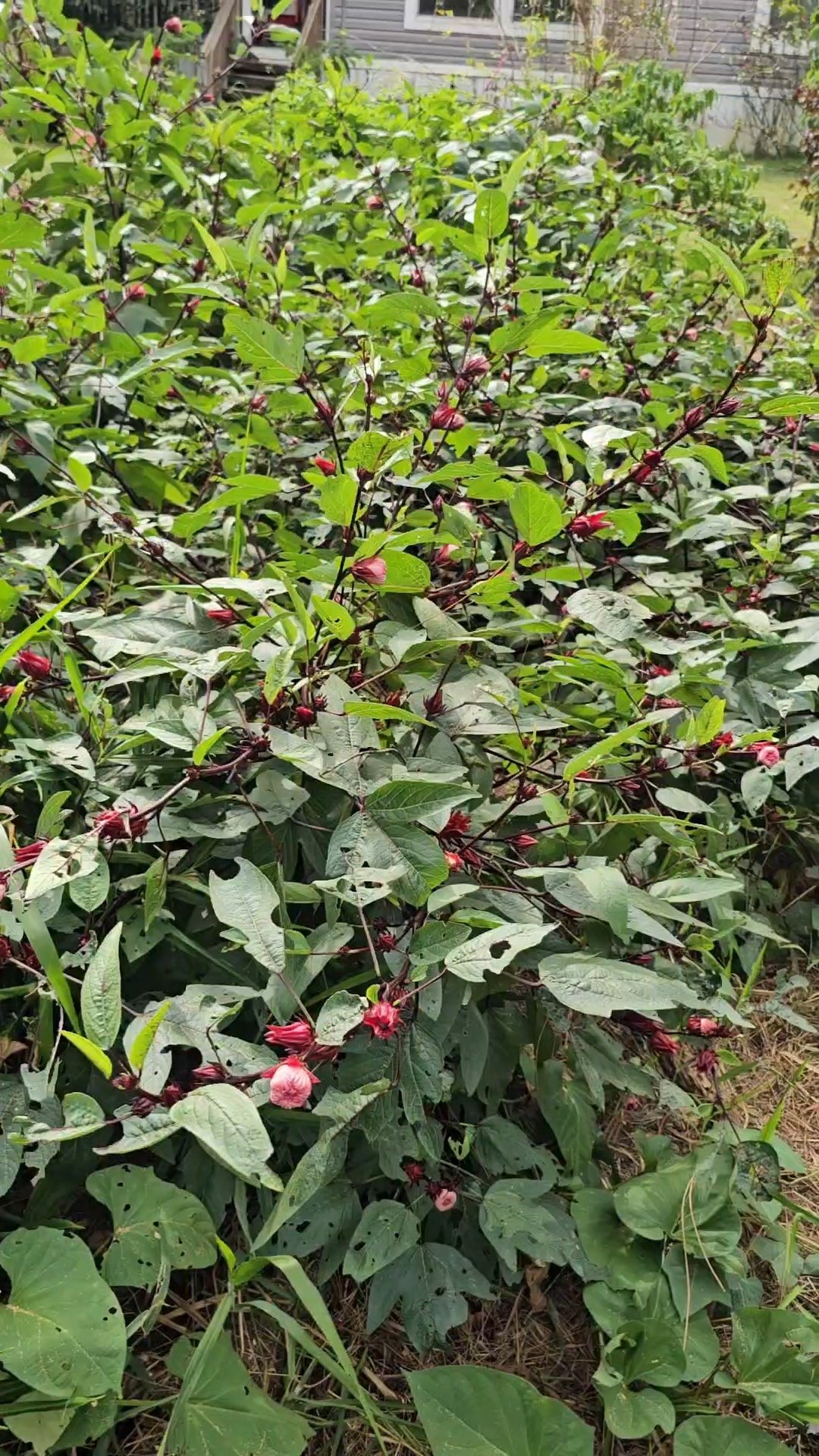
(Sept. 2026) It's Roselle season here at J.O.T.! While some have already been pulling in their first harvests, and others are continuing to wait for their first buds, we are gearing up to start pulling in daily Roselle calyxes. One of the biggest questions I get is about just that; when it is the best time to actually harvest the Roselle calyxes, and how. So, let's understand what the plant does before it's time to harvest to help us better understanding WHEN to harvest. Don't forget to check out the videos to the right for visual demonstration, or to see the whole Roselle video playlist.
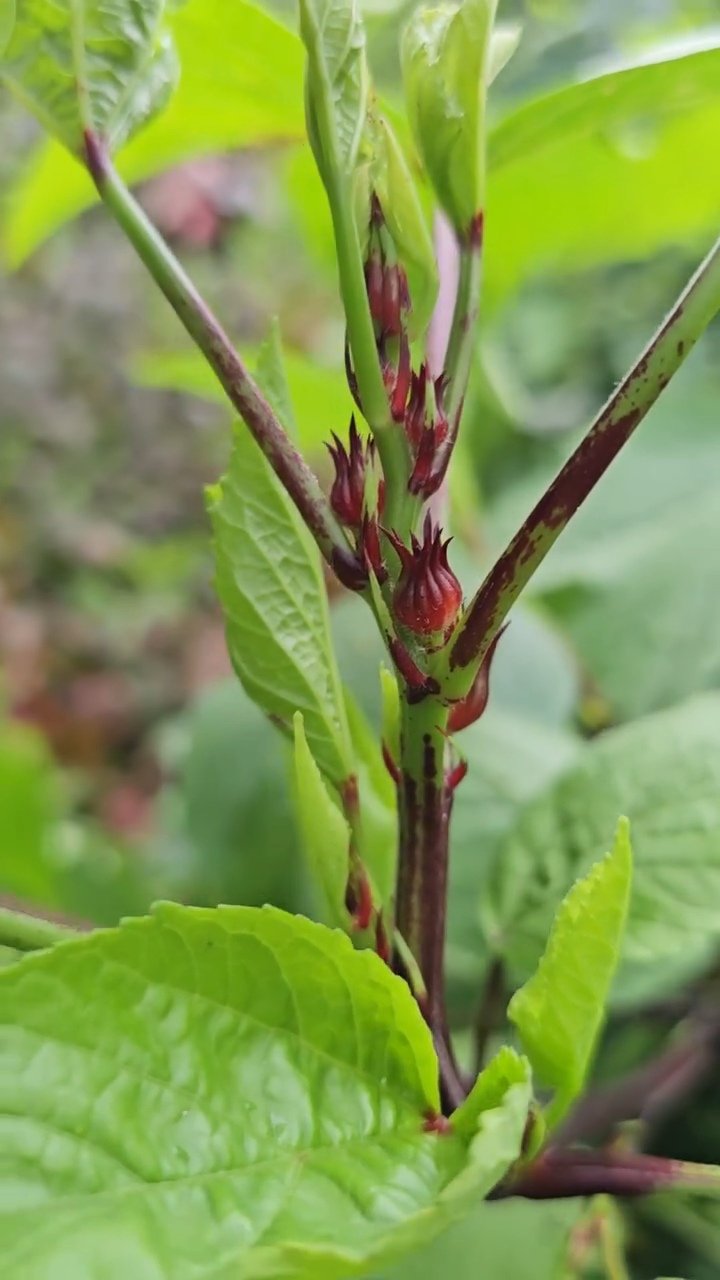
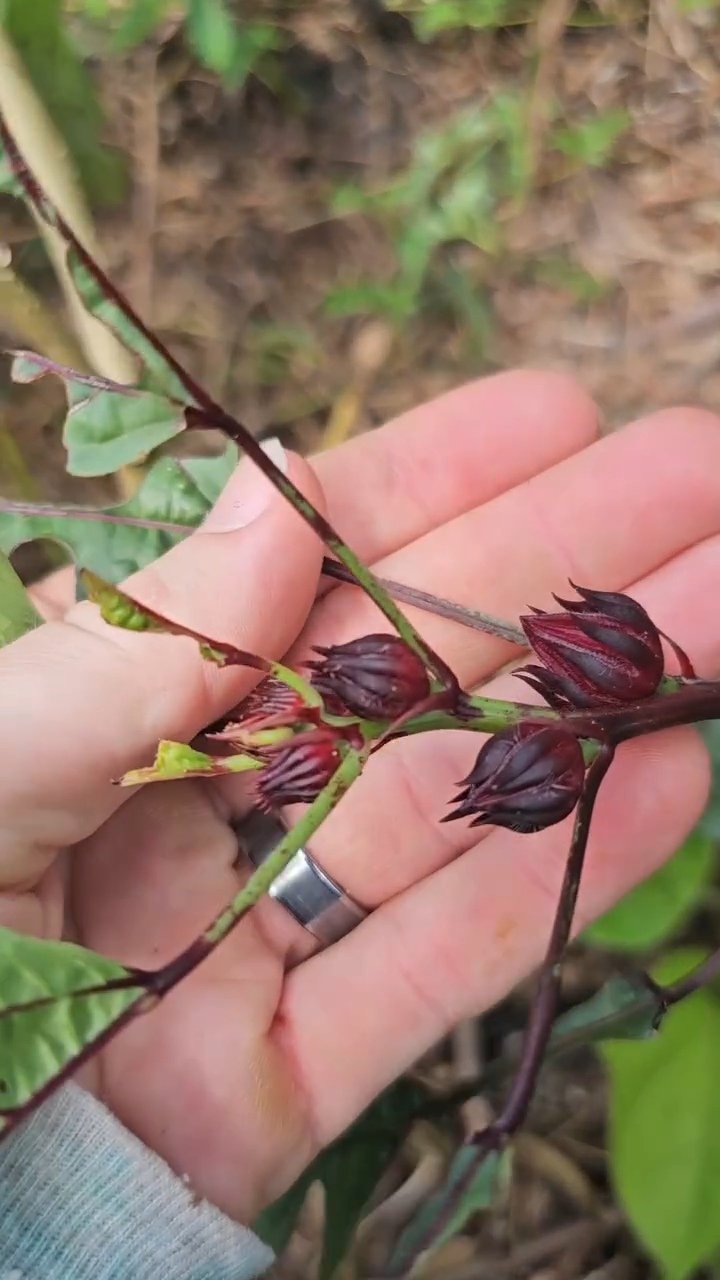
~So When DO I Harvest My Roselle Calyxes?~

Roselle is photoperiod sensitive, and are actually classified as “long night” plants: they track the length of continuous, uninterrupted darkness using light-sensing proteins called phytochromes. For most roselle varieties, flowering is triggered when the continuous dark period reaches roughly 11 to 12 hours of darkness. Being that this is usually in conjunctioon with lessening daylight hours, the plant is also often referred to as “short-day.”

 ~Bud Formation~

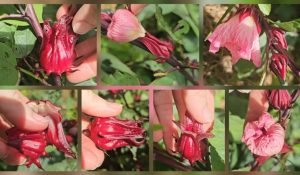
Once triggered, all the branches will begin to focus on producing buds. The buds look like mini calxyes, but don’t eat these! It’s not time yet.

~One Day Flowering Cycle~

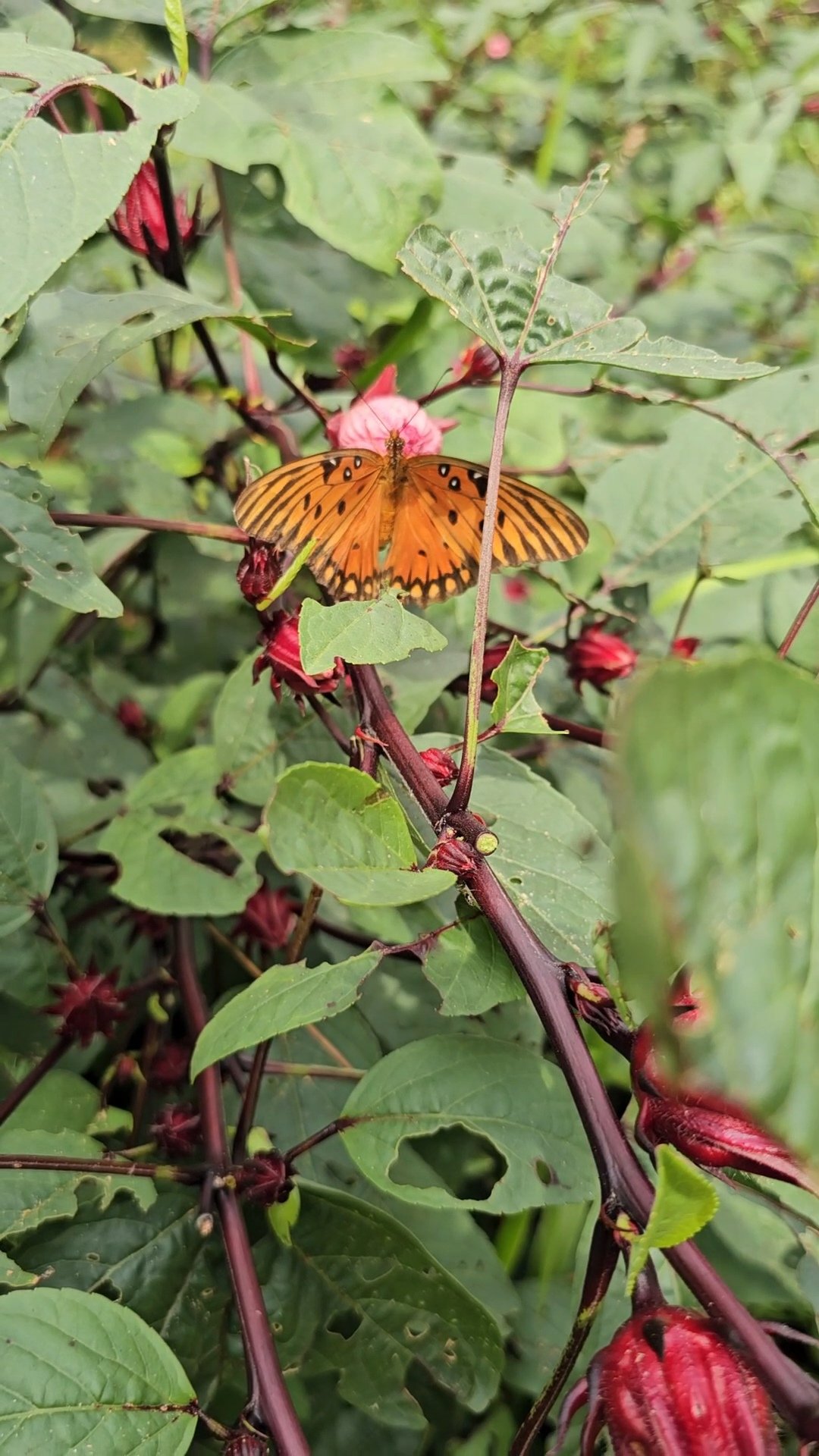
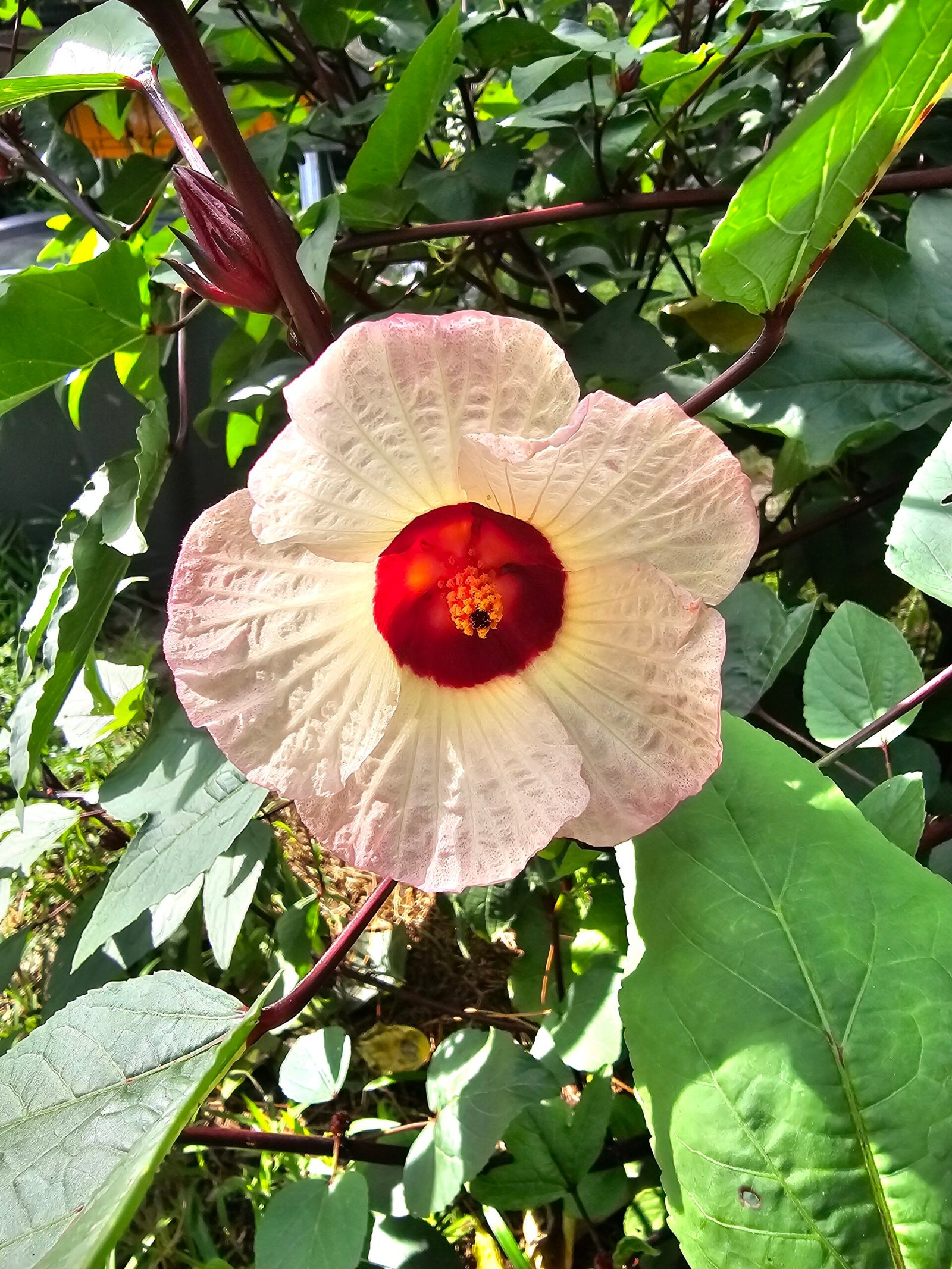
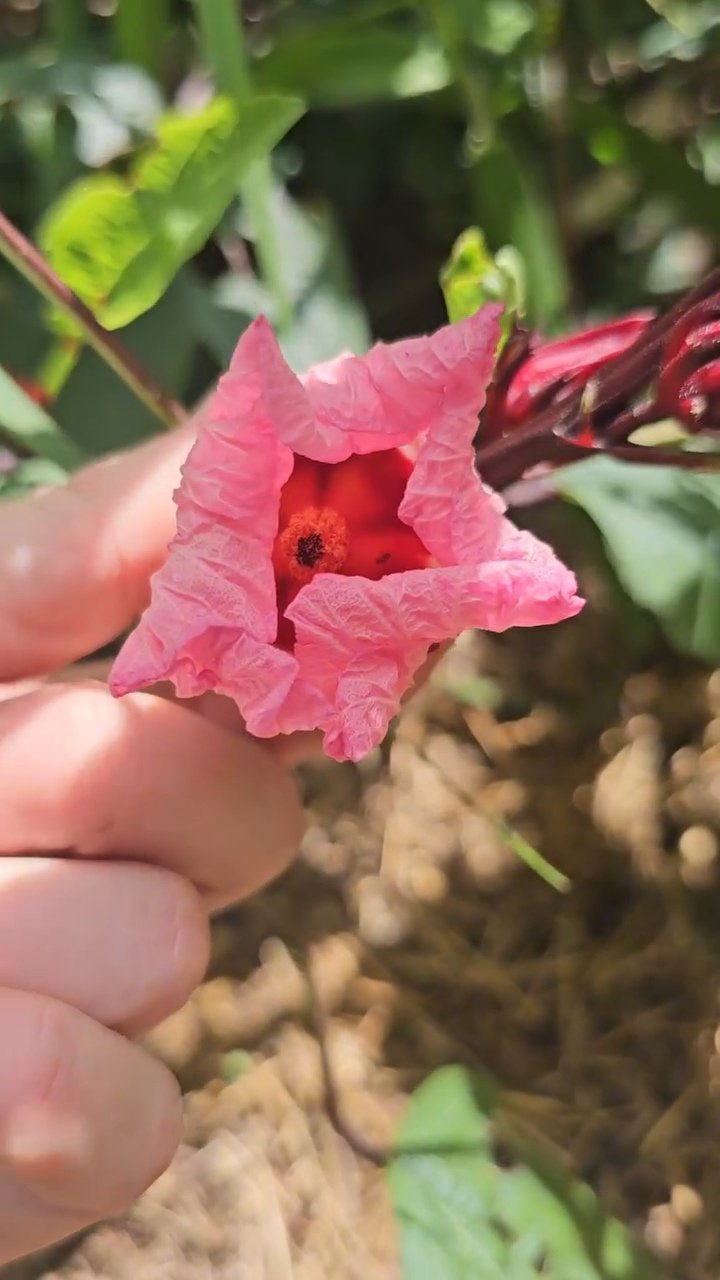
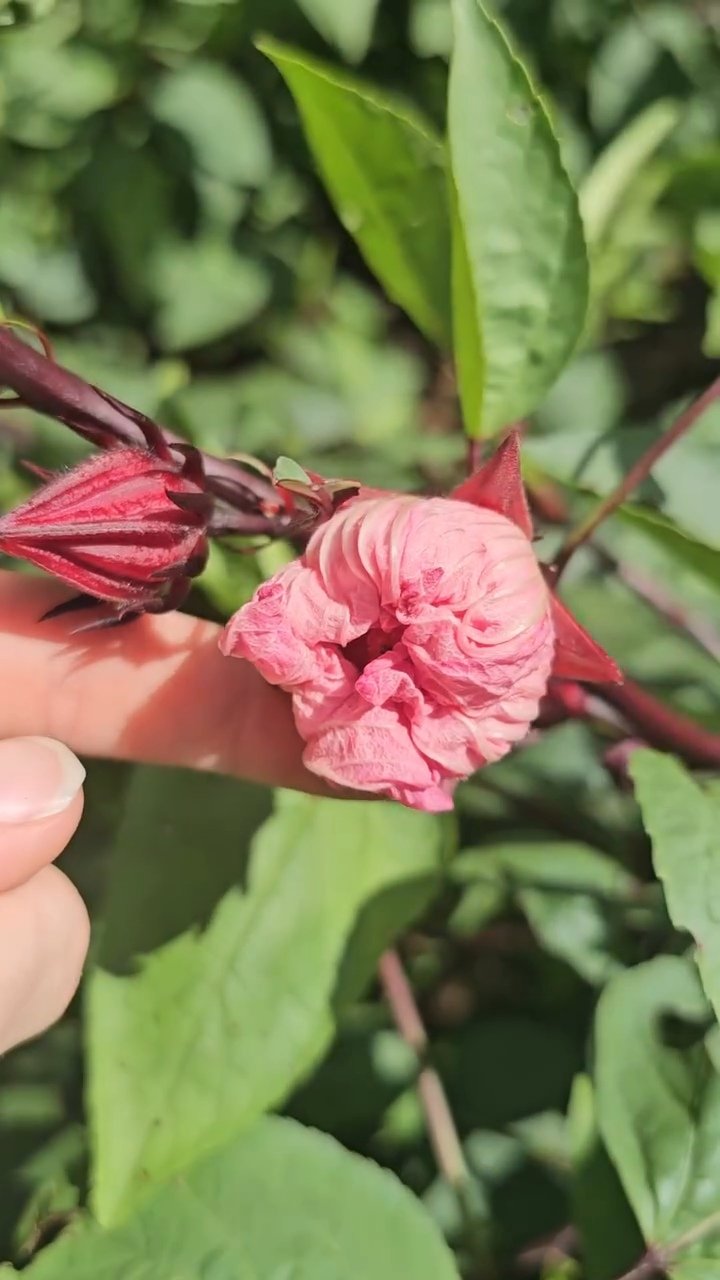
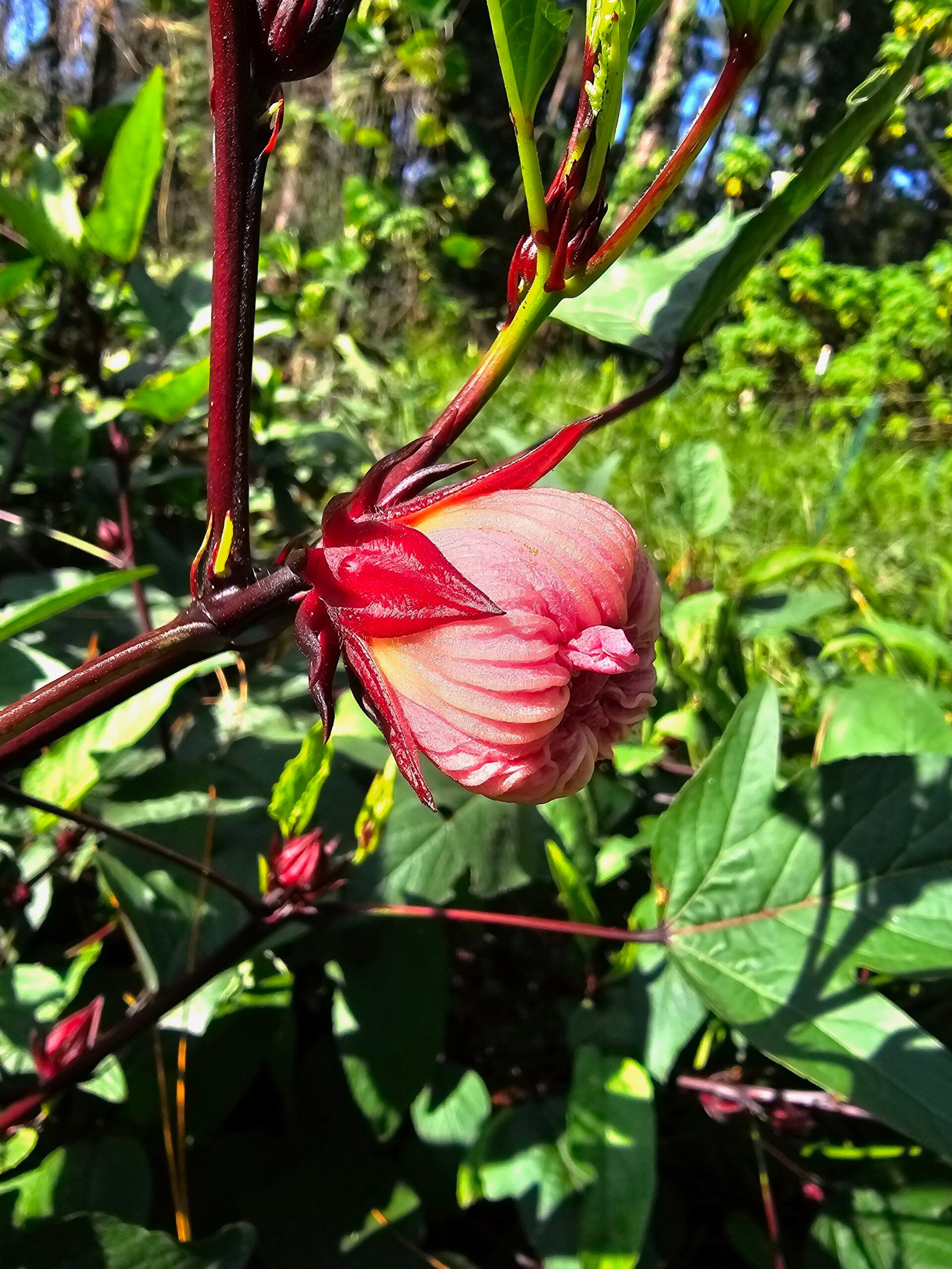
The buds will grow, and then flower. The flower usually lasts just one day, and self-pollinates (also with the assistance of other insects, but this is not necessary). Throughout the day, the flower will close up on itself, and then fall off; it is now fertilized.

 ~Pod and Calyx Development~

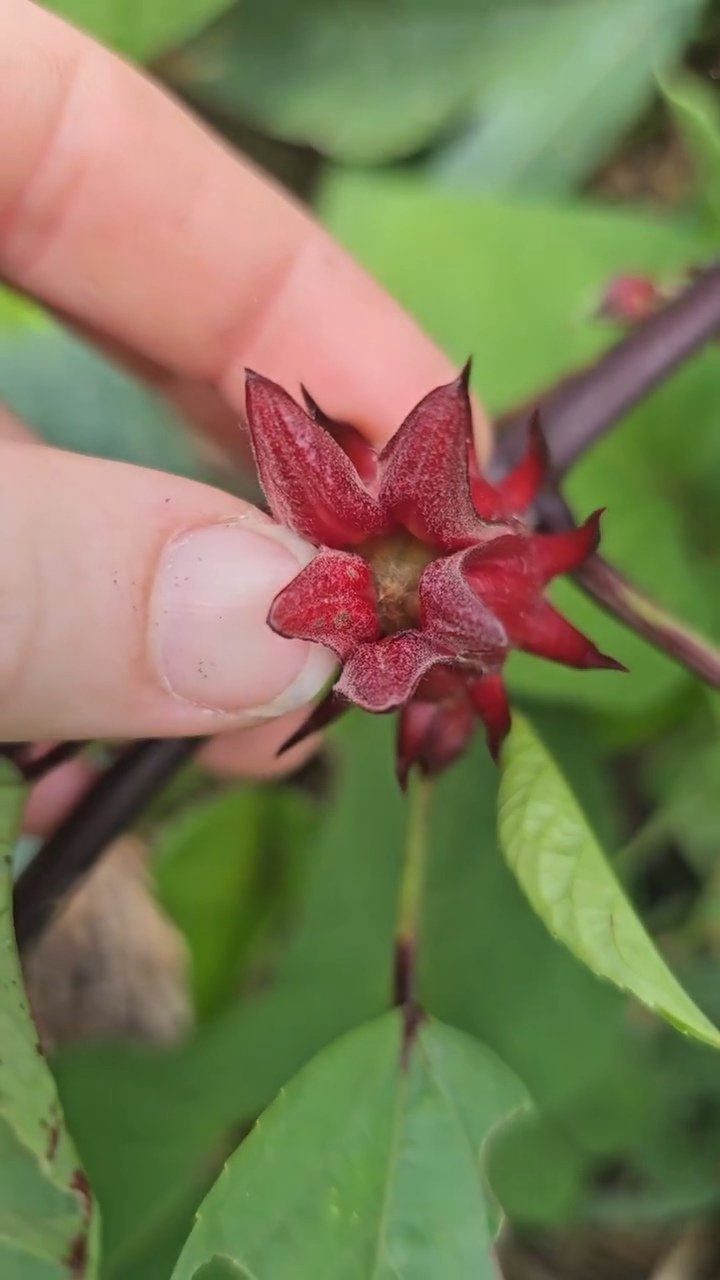
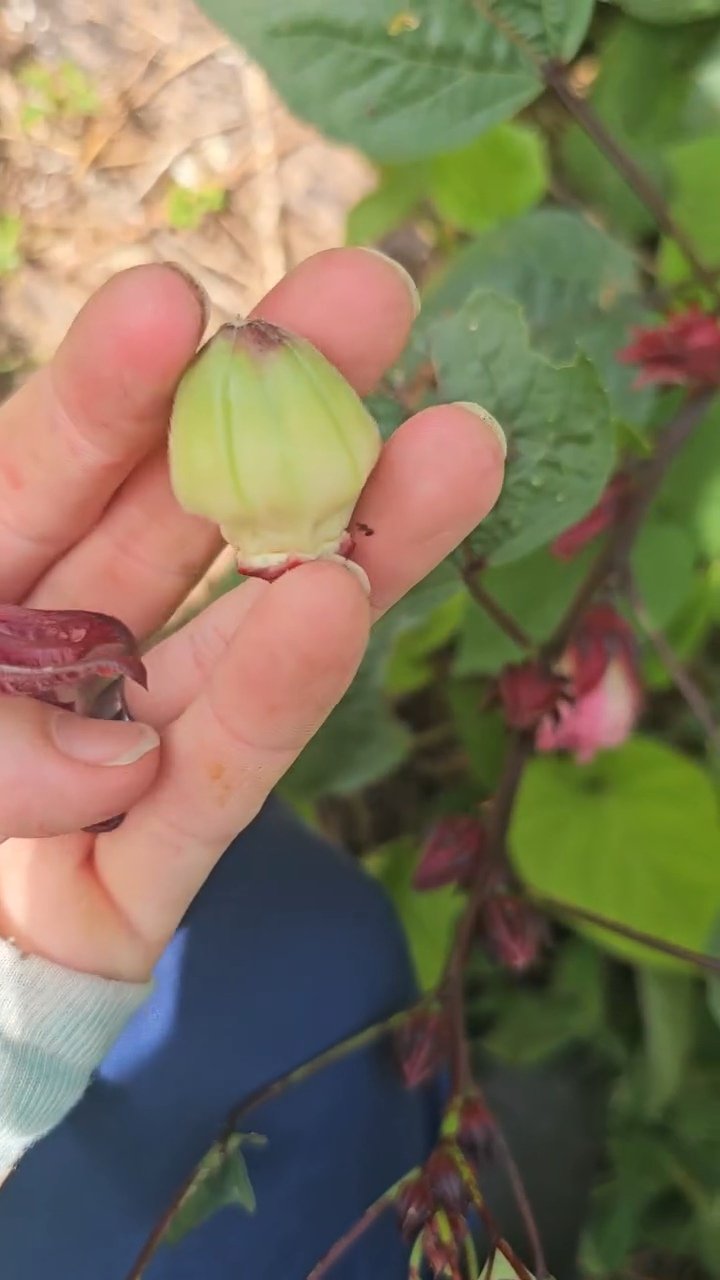
Inside the base of the cup, the fertilized ovary begins swelling into a green, spherical seed capsule. The Roselle calyxes then receive a surge of plant hormones. The cells in the sepals (calyxes) multiply and enlarge, becoming fleshy, crisp, and filled with tart organic acids and deep red antioxidant pigments (anthocyanins).

 ~Pick It At It’s Plumpest!~

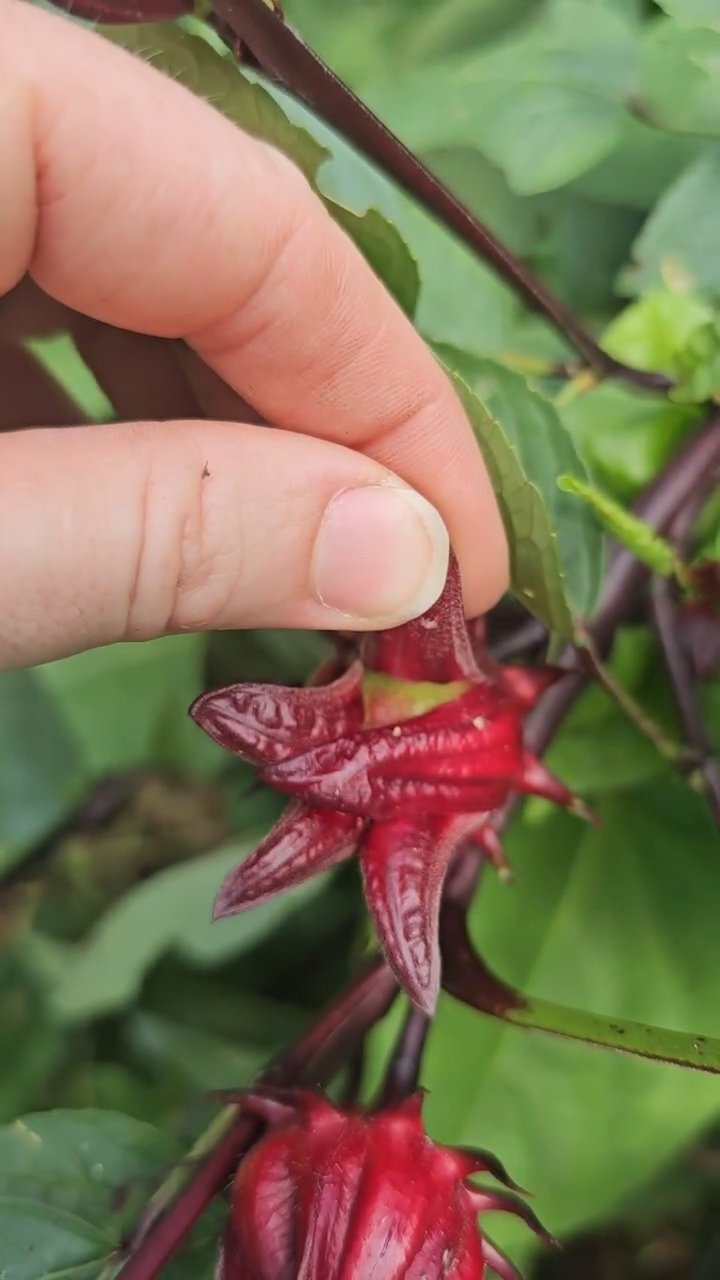
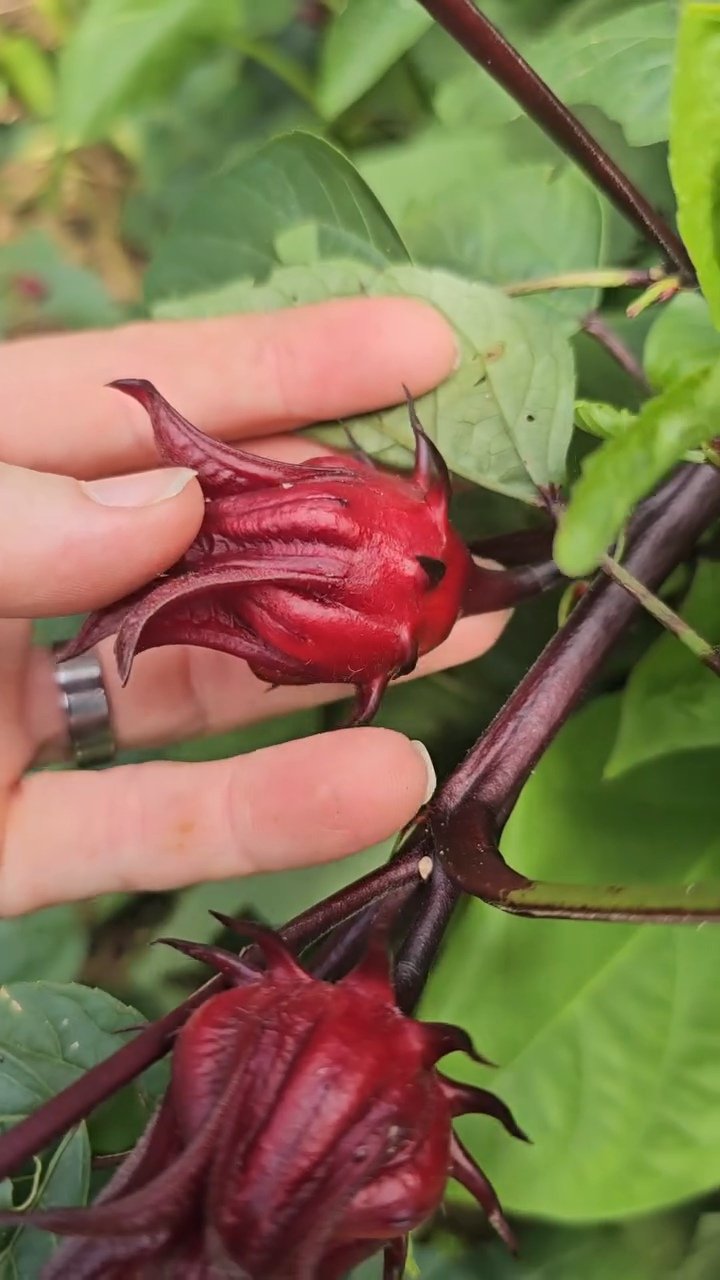
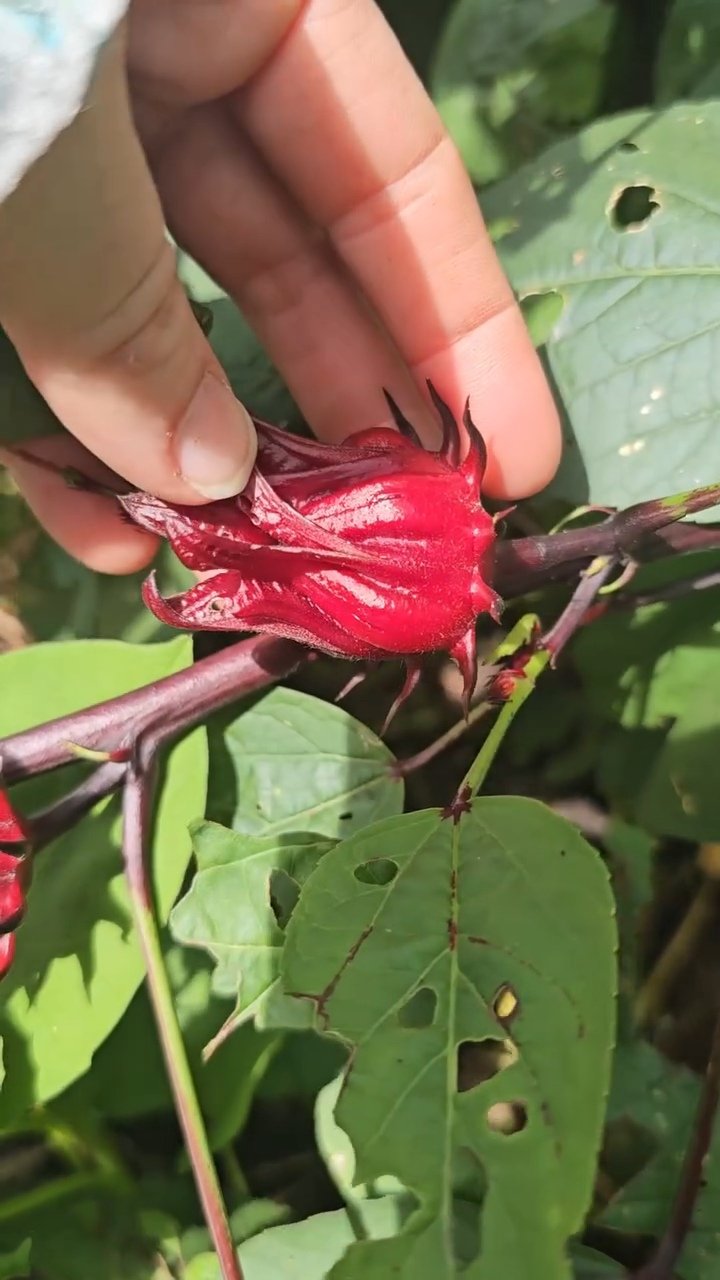
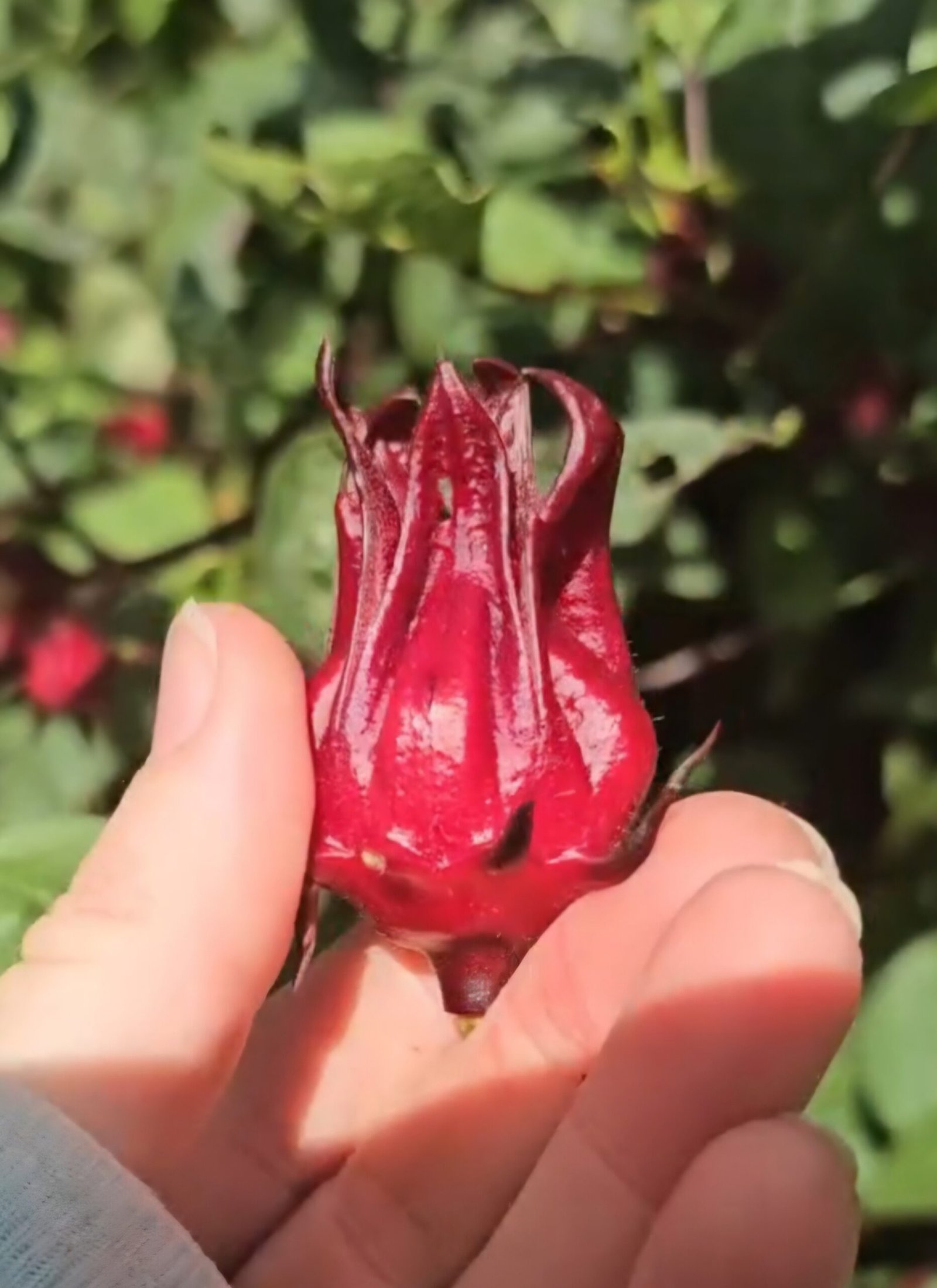
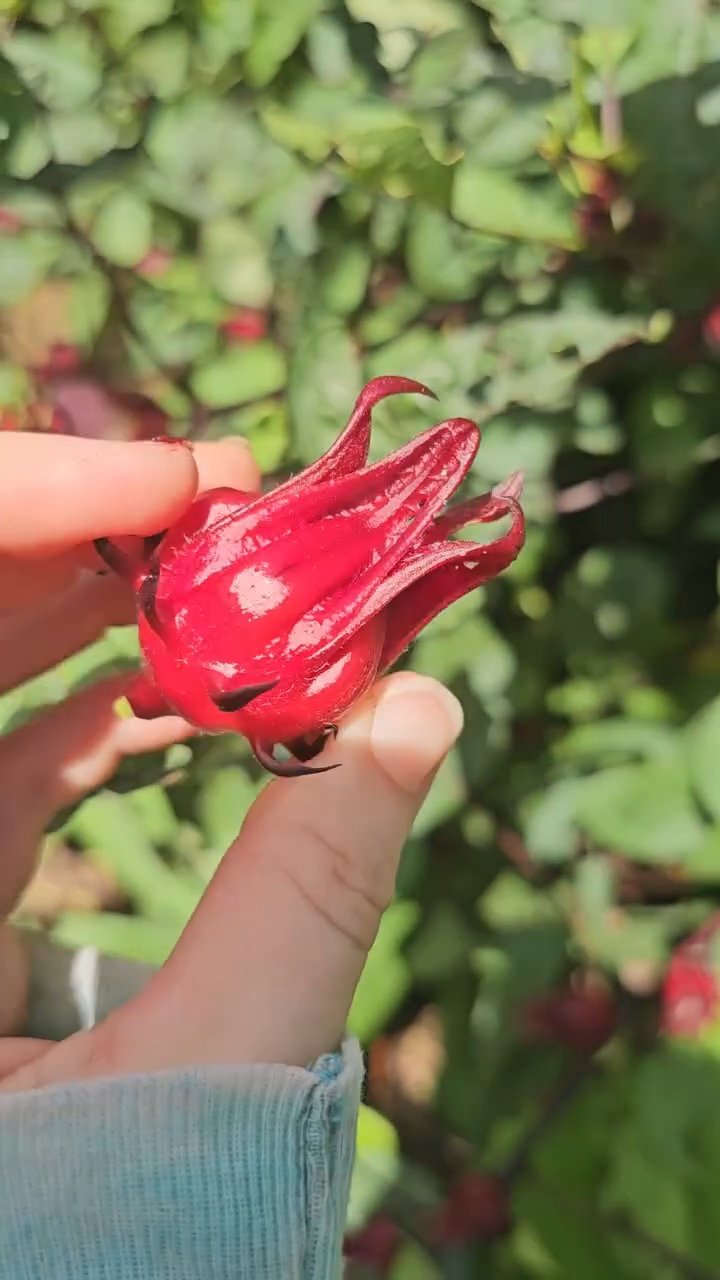
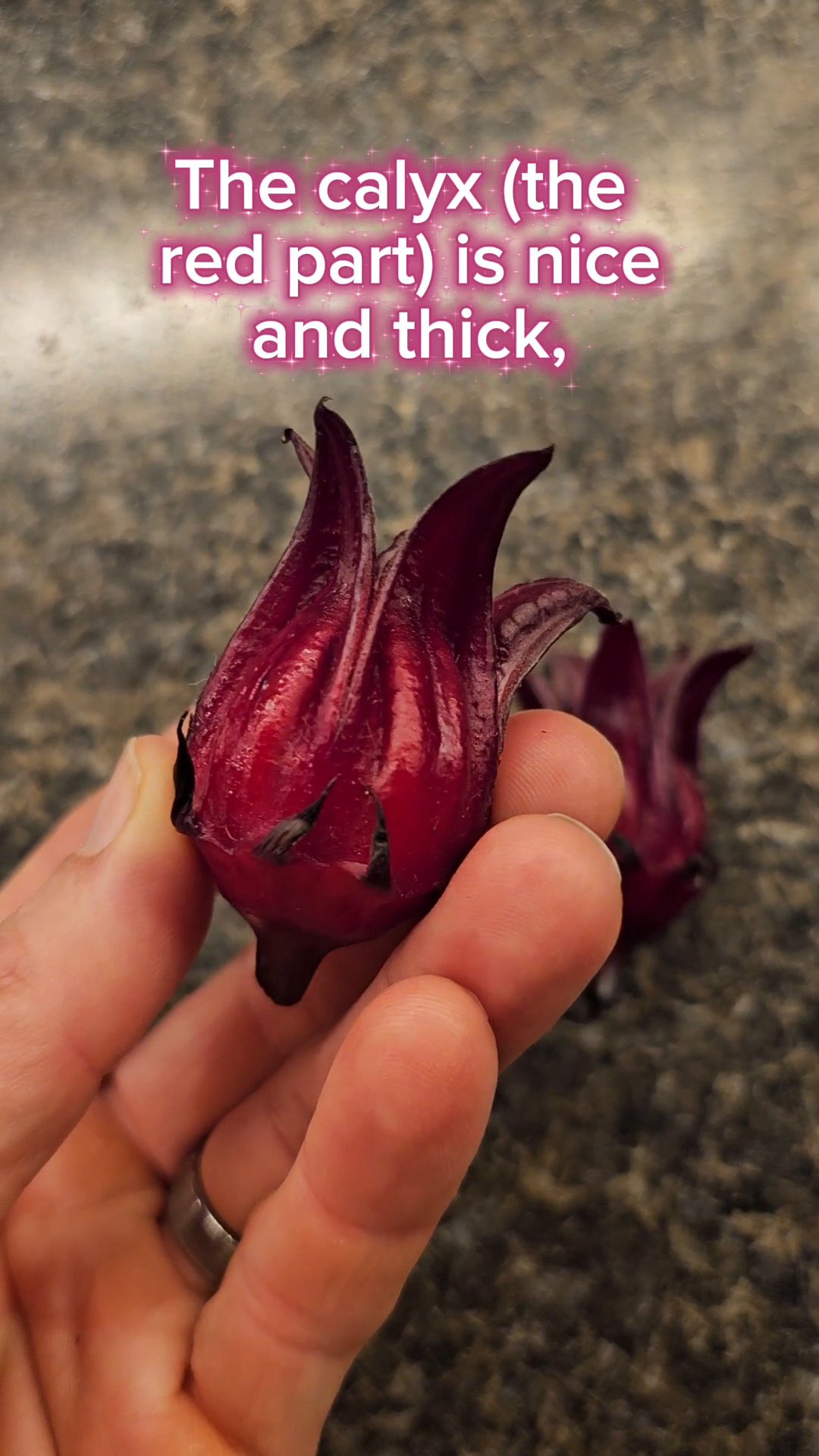
Between 14-23 days later, the calyx is at it’s maximum size while still remaining juicy and tender. When they are large, plump, and utterly delicious looking, you can clip them right off the stem of the calyx, where it meets the branch. Leave the others to continue to grow/flower and produce! You will get a feel for “just how big” the Calyx can grow before it’s perfect time for harvesting as you continue through the season.
 
ALL of the red calyx is edible, including the very base of the calyx.

You can save the seed pod to dry on your table, where it will continue to mature the seeds which you can use next year, or you can use the pods to make your own liquid pectin (and did you know the seeds can be toasted and added onto salads, or ground into a caffiene substitute?)!

Keep in mind, if left on the pod, the juicy, delicious calyx will dry up and become woody; the seed pod inside will still be good for saving and retaining seeds.
 

I hope this helped!  Happy harvesting everyone!

Learn more about growing, growth habits, flowering stages, harvesting, and more in our Roselle Video Play list on YouTube (click above).

Roselle Recipes

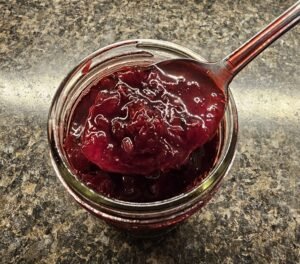
(Coming Soon!) It’s not just for tea! Check out all the delicious ways you can use Roselle in your kitchen! 

Shopping Cart